Decorative Vintage Floral Borders and Co Review
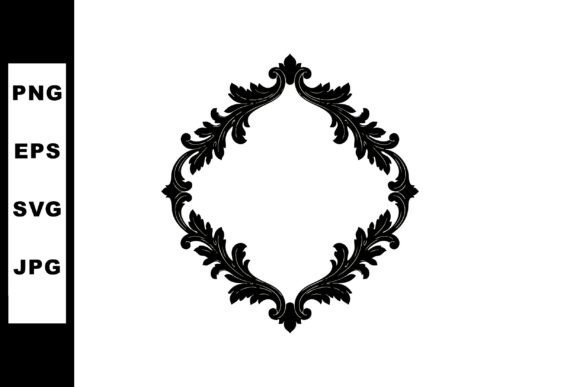
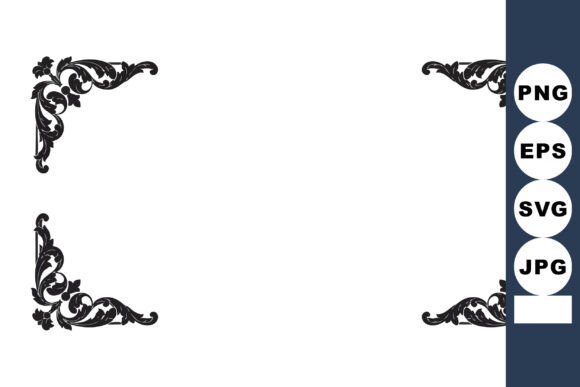
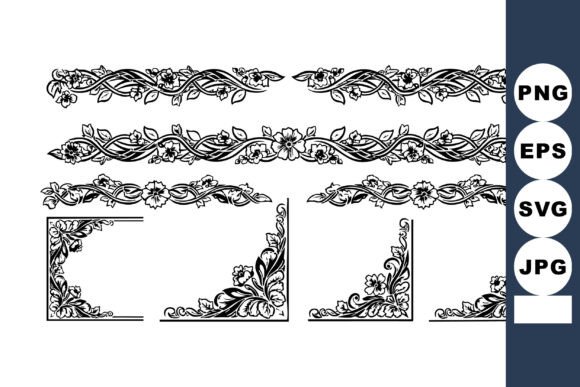
As someone who has spent years stitching intricate designs for clients and running a small handmade shop, I know that the difference between a good project and a great one often comes down to the design assets you choose. Recently, I was looking for something specific: Decorative Vintage Floral Borders and Co. I needed a graphic element that could bridge the gap between digital illustration and physical embroidery. This set of black vintage floral borders and corner ornaments in vector style promised an elegant frame creation with detailed intricate designs. But does it hold up when transferred from a screen to a needle and thread? Here is my practical evaluation based on real-world application.
The First Impression: Mood and Visual Personality
When I first opened the file for Decorative Vintage Floral Borders and Co, the immediate feeling was one of classic sophistication. The black vintage floral theme creates a distinct mood that feels timeless rather than trendy. For an embroidery designer, this is crucial because trends fade, but a "classic mood" endures in customer collections. The layout is balanced, offering both continuous borders and standalone corner ornaments. This versatility is rare in many graphics packs.
The visual personality of this asset is delicate yet structured. It doesn't scream for attention; instead, it frames the content or accentuates a product with quiet elegance. Whether I am designing a logo for a boutique or creating a custom gift, this design suggests a level of care and craftsmanship that customers appreciate. It feels like something you would find in a high-end bridal catalog or a heritage textile brand. That association alone adds value to any finished product.
Real-World Application: From Screen to Stitch
To truly test Decorative Vintage Floral Borders and Co, I imagined a specific scenario: preparing a custom embroidered tote bag for a local artisan market. The goal was to create a limited-edition bag featuring a simple monogram in the center, framed by these vintage florals. In theory, the black vector lines would translate beautifully into a satin stitch border, adding a frame-like quality to the canvas.
In practice, the performance of this machine embroidery design depends heavily on how the vector paths are converted into stitches. The intricate details of the floral motifs require careful digitization. If the conversion is done well, the result is a rich texture that catches the light differently than a solid block of color. On a natural canvas tote, the black threads against the beige fabric would pop without being overwhelming. It transforms a plain tote into a statement piece suitable for an Etsy seller or a craft fair vendor.
I also considered using this design for holiday gifts, specifically embroidered kitchen towels. The corner ornaments work perfectly here, framing a personalized name or a festive message. When placed on a tea towel, the embroidery file adds a touch of luxury that elevates a functional item into a keepsake. Customers often pay a premium for items that feel bespoke, and the detailed nature of Decorative Vintage Floral Borders and Co supports that perception of exclusivity.
Where Caution Is Required
However, not every surface is a match for this design. While Decorative Vintage Floral Borders and Co is elegant, its intricate nature demands respect from the embroiderer. There are specific scenarios where this design might struggle.
- Small Hoop Sizes: If you attempt to stitch the full border pattern inside a very small hoop, the details may become lost. The fine lines of the vintage flowers can blur if the stitch density is too high for the available space.
- Textured and Stretchy Fabrics: Using this design on a stretchy knit cap or a highly textured wool sweater requires a robust stabilizer strategy. Without proper support, the intricate corners might pucker, ruining the clean lines of the vector style.
- Dense Stitch Areas: Because the design features detailed corners and flowing stems, placing it next to other dense fill stitches can cause thread breaks or fabric distortion. It works best as a standalone frame or a subtle accent rather than a heavy central block.
- Dark Fabric Challenges: Since the source is a black vector, it implies black thread usage. On dark fabrics, this requires a heavy underlay or white backing to make the design visible, which adds complexity to the production process.
For products like custom apparel or sweatshirt embroidery, the design shines on lighter backgrounds. On a baby onesie, the softness of the floral curves contrasts nicely with the smooth cotton, making it ideal for baby embroidery projects. However, on a thin fabric, the weight of the thread used to recreate the intricate details might cause the material to sag over time.
Impact on Product Value and Brand Consistency
One of the most significant advantages of using Decorative Vintage Floral Borders and Co is its impact on perceived value. In the world of commercial embroidery, presentation is everything. A well-executed border design signals professionalism and attention to detail. When a customer receives a personalized gift or a boutique product, the presence of such a refined design reinforces trust in the maker.
This asset helps maintain brand consistency across different product lines. Whether you are creating embroidered patches, pillow covers, or printable mockups for your online store, the consistent vintage aesthetic ties the collection together. It allows a small business owner to scale their offerings without sacrificing quality. A cohesive look makes a shop appear more established and reliable, which is essential for craft business growth.
Furthermore, the design enhances the "giftability" of an item. A plain shirt is just clothing; a shirt framed with Decorative Vintage Floral Borders and Co becomes a thoughtful present. The intricate details invite closer inspection, encouraging the recipient to appreciate the craftsmanship involved. This emotional connection drives repeat purchases and positive reviews.
Practical Designer Notes for Success
Before committing to a full production run, there are several steps any experienced designer should take. First, always test the design on scrap fabric first. This allows you to see how the stitch density interacts with your specific thread colors and fabric texture. You might find that a slightly larger hoop size is necessary to capture the finest details of the corners.
Review the stabilizer requirements carefully. For intricate floral borders, a cut-away stabilizer is often recommended to prevent shifting during the satin stitch and fill stitch processes. Additionally, inspect the small details closely. Sometimes, what looks clear on a screen can become muddy when stitched, especially if the thread count is too low.
It is also wise to test the design in black and white mockups before finalizing the thread palette. This helps ensure that the contrast remains high enough for the design to be legible. Compare how it looks on both light and dark fabric backgrounds to determine the best use case. Finally, confirm whether the license terms allow for commercial embroidery and selling finished items. Many digital embroidery files have restrictions on how they can be used in a finished product.
If you are an apparel decorator or a creative entrepreneur looking to add a touch of vintage charm to your inventory, Decorative Vintage Floral Borders and Co offers a strong foundation. Just remember that successful embroidery relies on the synergy between the design, the machine settings, and the materials. By taking the time to understand the limitations and strengths of this asset, you can create stunning handmade products that stand out in a crowded market.