Boho Woodland Baby Floral Animals Review
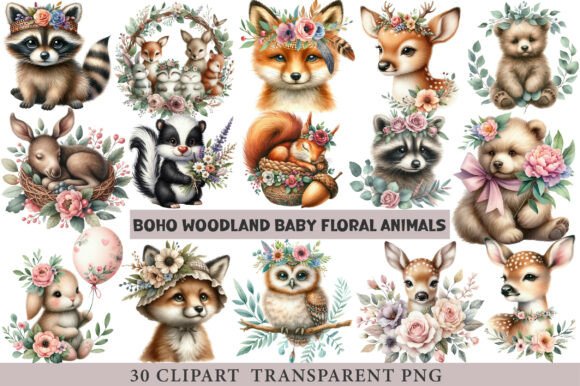
I have spent years reviewing machine embroidery design files, testing them on everything from delicate baby rompers to heavy-duty work aprons. When a new set of assets lands in my inbox, I don't just look at the preview image; I immediately start thinking about the needle movement, the thread tension, and how the final stitch will hold up after a few washes. Today, I am evaluating a specific collection called Boho Woodland Baby Floral Animals. This isn't just a list of cute graphics; it is a potential game-changer for your next boutique line or personalized gift shop.
The moment you open the folder, the mood shifts. The Boho Woodland Baby Floral Animals collection exudes a warm, earthy vibe that feels incredibly current. It blends the whimsical nature of woodland creatures with the soft, organic lines of bohemian floral elements. As a designer, I appreciate when an asset pack has a cohesive personality rather than just random clipart pasted together. These designs feel intentional, curated for a specific aesthetic that resonates deeply with modern parents and craft enthusiasts who value handmade quality over mass-produced perfection.
From Digital File to Finished Product
Let's talk about the real-world application. Imagine you are preparing a custom order for a local nursery or building out your Etsy shop for the upcoming holiday season. You need something that looks professional but retains that cozy, handmade charm. Boho Woodland Baby Floral Animals fits perfectly into this scenario. The layout of the illustrations suggests they were created with embroidery in mind, balancing negative space with detailed centers.
For a small business owner, the versatility here is key. I can easily see these designs transformed into high-value items like embroidered patches for denim jackets, center-piece decorations on kitchen towels, or the focal point of a baby's first birthday outfit. The "Boho" aspect allows for a softer color palette, while the "Woodland" theme ensures the subject matter remains engaging for children. Whether you are creating a tote bag design for a craft fair or a sweatshirt embroidery piece for a family reunion, these graphics provide a strong visual anchor.
However, there is a crucial distinction to make regarding the file format. The product description specifies that this is a download containing PNG files at 300 dpi, not SVG files. This is vital information for anyone planning to use this as a direct embroidery file for their machine. If you intend to use these images as digital assets for mockups, social media posts, or printable products, the high resolution is excellent. But if you are looking to load them directly into embroidery software for stitching, you will need to convert them using digitizing software or tracing tools. Understanding this workflow difference is essential before you start your project.
Real-World Performance on Different Fabrics
In my experience, the success of any embroidery project depends heavily on the substrate. How would Boho Woodland Baby Floral Animals perform on various materials? On a sturdy cotton canvas tote bag, the details would likely pop beautifully, especially if you use a mix of satin stitches for outlines and fill stitches for the animal bodies. The bohemian floral elements would add a lovely texture against the rougher weave of the fabric.
For baby embroidery, such as on a onesie or a soft muslin blanket, the design's gentle curves are a major plus. There are no sharp, aggressive angles that might irritate a baby's skin once stitched. However, when working with stretchy fabrics like jersey knits, caution is required. Even the most beautiful graphics can pucker if the stabilizer isn't chosen correctly. I always recommend using a cut-away stabilizer for stretchy materials to ensure the design stays flat and doesn't distort after washing.
The design also shines on home decor items. A pillow cover featuring these animals could become a centerpiece in a nursery, adding a touch of warmth without being overwhelming. Similarly, on a linen tea towel, the earthy tones would complement the natural fiber beautifully. For commercial embroidery projects where consistency is king, the clean lines of the illustrations allow for predictable stitch paths, provided the conversion to stitch data is done accurately.
Where to Exercise Caution
p>While this collection is versatile, it is not a magic bullet for every single situation. If you are working with very small hoop sizes, you must be careful. The intricate details within the floral elements and the facial features of the animals might get lost or merge together if the design is scaled down too much. In such cases, the stitch density becomes a critical factor; too many stitches in a tiny area can cause the fabric to bunch up, ruining the look of the finished product.Textured fabrics present another challenge. While a chunky knit sweater might hide minor imperfections, a smooth, thin fabric might show every flaw in the digitization process. Dark fabrics require a different approach as well. Unless you plan to use a heavy underlay or a contrasting thread color, the details of the design might get swallowed by the dark background. Always test your thread colors against the fabric swatch before committing to a full production run.
Curved surfaces like caps or hats can also be tricky. The design needs to be adjusted to follow the curve of the hat, or it may look distorted when viewed from the side. If you are creating a custom apparel item, ensure you account for the curvature during the placement phase. Additionally, avoid placing dense stitch areas right near the edge of a garment where frequent washing and friction might cause the threads to fray or pull loose.
Practical Notes for Designers and Makers
Before you rush to print or stitch, take a moment to review the technical specifics. Since the package contains PNG files, you will need to evaluate the stitch density yourself if you are converting these to embroidery formats. Check the file size and resolution to ensure they meet your printing or digitizing needs. If you are unsure about the licensing terms for selling finished items made from these designs, verify the terms with the creator to protect your craft business.
I strongly advise running a test on scrap fabric first. This simple step saves time and money by revealing issues with thread color contrast or fabric compatibility early in the process. Use proper stabilizer to support the fabric during stitching, and inspect the small details closely once the design is complete. Does the eye catch the fine lines of the flowers? Are the animals recognizable? These questions determine whether your personalized gift feels premium or amateur.
Finally, consider the broader impact on your brand. Using high-quality design assets like Boho Woodland Baby Floral Animals elevates your presentation. It signals to customers that you care about detail and aesthetics. Whether you are listing a small shop product on Etsy or creating a holiday embroidery special, a cohesive and well-executed design builds trust and encourages repeat business.
In conclusion, this collection offers a fantastic foundation for creative entrepreneurs and hobbyists alike. It strikes a balance between trendiness and timelessness, making it suitable for a wide range of applications from digital embroidery file previews to tangible, handcrafted goods. With the right preparation and attention to technique, Boho Woodland Baby Floral Animals can help you create stunning pieces that your customers will love.